
Goldador
Other names: Golden Labrador, Golden Lab Mix, Golden Retriever Labrador Mix, Labrador Golden Retriever Mix
The Goldador brings together the best of two great retriever families in one dog. A cross between the Golden Retriever and the Labrador Retriever, it wins hearts at first sight with its athletic build and soft, kind-hearted gaze.
Medium to large in size, it usually stands between 22... Read more
Are you a breeder or owner of a Goldador?
Create your free account and request your dog's pedigree in just a few clicks. Use our tools to manage your kennel and select your breeding stock in the best conditions.
Are you a breeder or owner of a Goldador?
Create your free account, manage your kennel and pedigree requests with our tools.
Create my accountHistory & Origin
T he Goldador's story begins with that of its two parent breeds, both developed in the 19th century on either side of the North Atlantic. The Labrador Retriever descends from the St. John's water dog, the loyal companion of Newfoundland fishermen, before being refined in England. The Golden Retriever was born in Scotland, where Lord Tweedmouth set out to create a gentle, hardworking gundog.
These two retrievers share the same gift: bringing back game with a soft mouth, on land as well as in water. Their close temperaments naturally led breeders and trainers to bring them together.
The cross truly came into its own in the 20th century with guide dog schools. In both the United Kingdom and the United States, these organizations paired the Labrador with the Golden to produce calm, sturdy dogs that are easy to train. The Goldador became one of the most valued assistance dogs, helping people with visual impairments and taking on many other service roles.
With the rise of so-called designer breeds in the late 20th century, the Goldador became known to the general public, especially in North America. It is not recognized by the FCI or the major traditional kennel clubs, but several registries dedicated to hybrid breeds accept it. Its popularity keeps growing year after year, thanks to its reputation as a reliable and loving family dog.
FBKC recognizes the Goldador: register your dogs online, manage your breeding program with modern tools, and get a 4-generation pedigree, with more freedom for breeders.
Description
T he Goldador brings together the best of two great retriever families in one dog. A cross between the Golden Retriever and the Labrador Retriever, it wins hearts at first sight with its athletic build and soft, kind-hearted gaze.
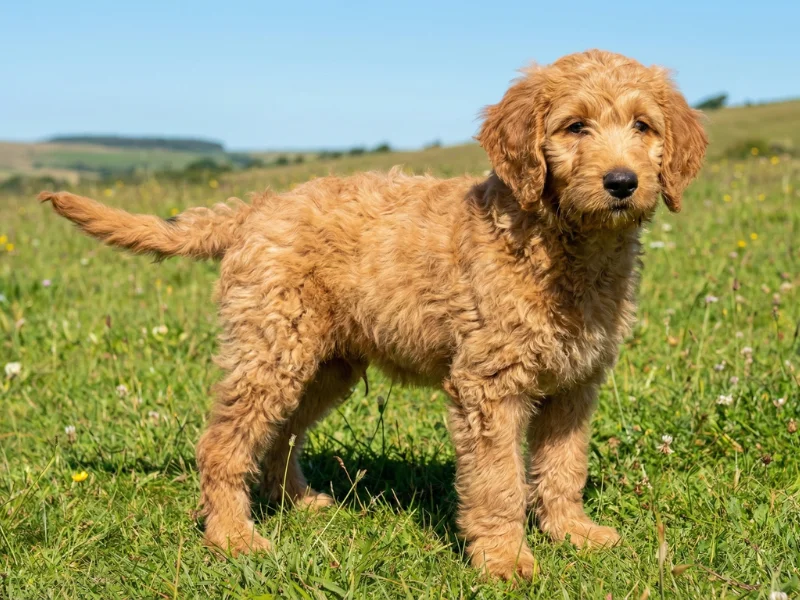
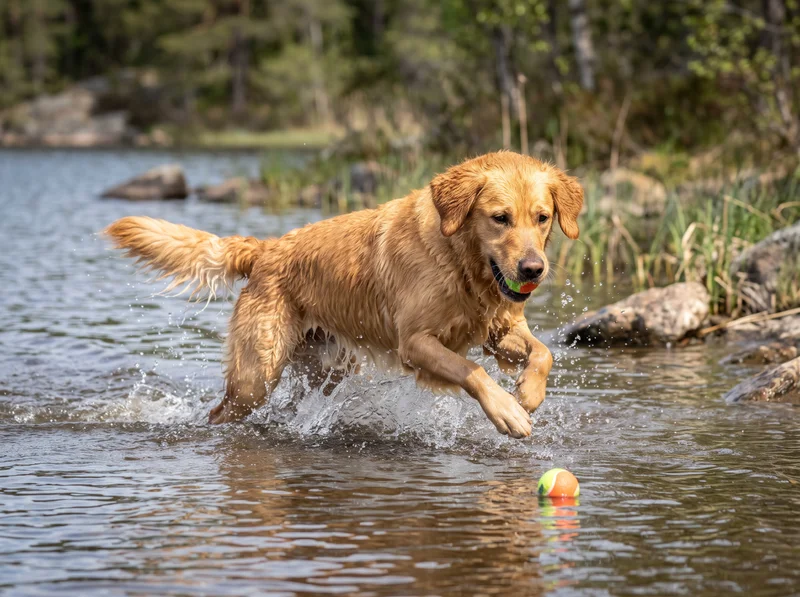
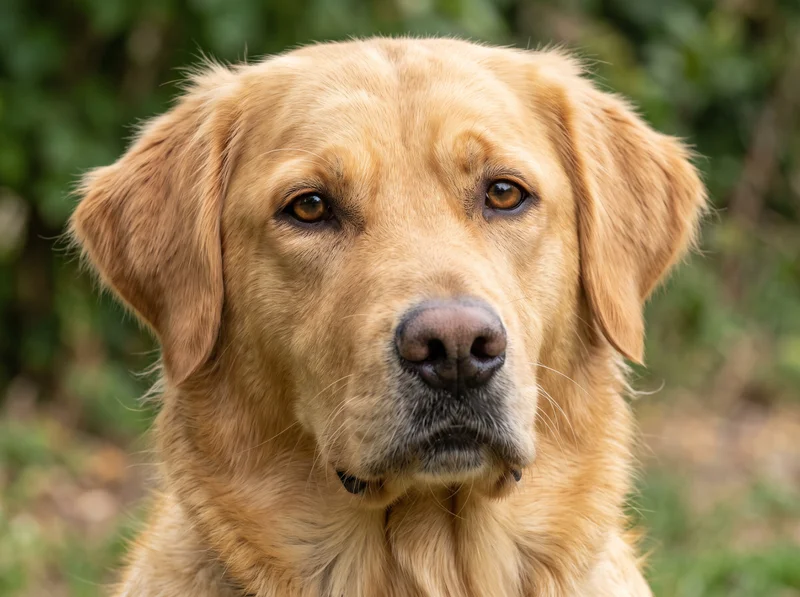
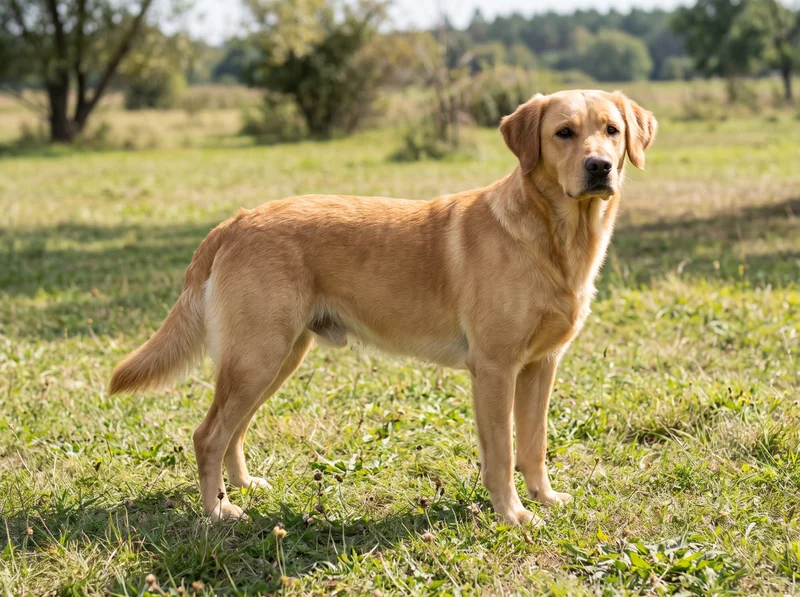
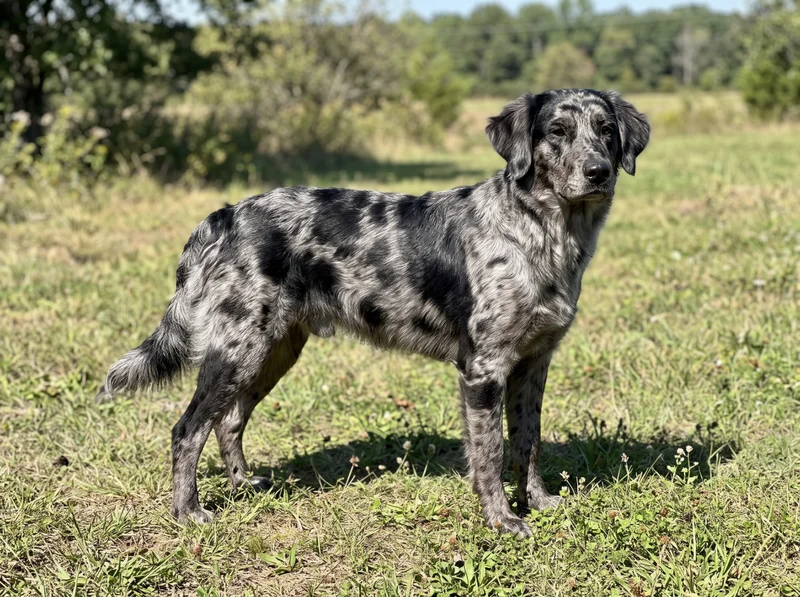
Medium to large in size, it usually stands between 22 and 24 inches (55 to 62 cm) at the shoulder and weighs 55 to 80 pounds (25 to 36 kg). Its body is solid and well balanced, with a broad chest and a straight back that reveal a true working dog. Its head often recalls the Labrador's, with a broad skull and a strong muzzle, softened by the gentle expression of the Golden.
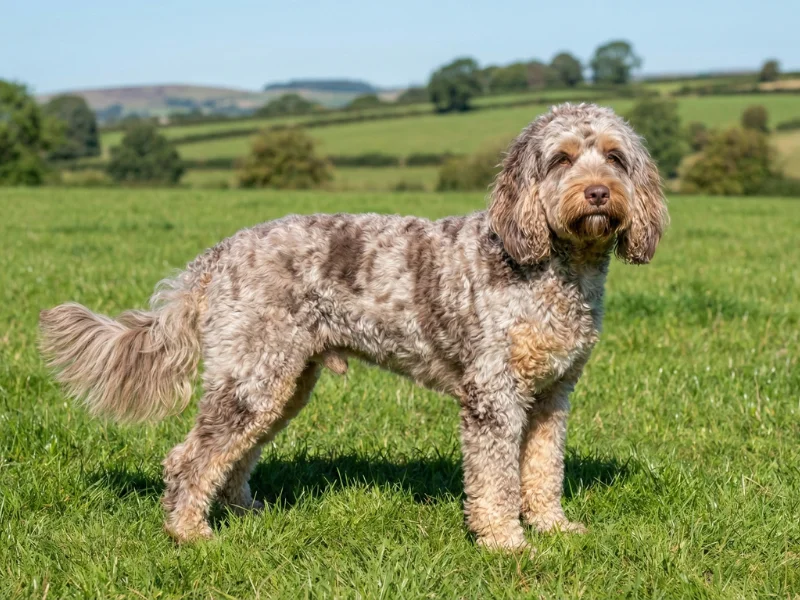
Its coat varies depending on what each puppy inherits. It can be short and dense like a Labrador's, or slightly longer and wavy, with light feathering on the ears and tail. The coat most often comes in golden, cream, red, or black. Its tail, thick at the base, wags like a metronome whenever someone comes near.
When it comes to temperament, the Goldador is a cheerful and sociable companion, deeply devoted to its family. Smart and attentive, it learns quickly and loves to be helpful. This good-natured buddy enjoys long walks just as much as cuddle time on the couch.
Personality
T he Goldador is full of good cheer from morning to night. Affectionate and outgoing, it greets every visitor like an old friend and happily follows its family from room to room.
Very attentive to its people, it is always eager to please, which explains its success as a guide dog. It also keeps a playful, big-kid side: a ball to fetch is all it takes to make its day.
Patient with children and easygoing with other pets, it does not cope well with long periods alone. This sensitive companion thrives when it shares in the everyday life of the home.
Photo Gallery

Breed Characteristics
General Information
- Category: Companion, family dog, assistance dog
- Origin: USA / UK
- FCI Recognition: No
- Est. monthly upkeep: 100$
- Daily exercise: 90
Key Facts
- Height: 55.00 to 62.00 cm
- Weight: 25.00 to 36.00 kg
- Life expectancy: 10 to 14 years
- Average price: 800.00 to 1800.00 €
-
Grooming frequency:5/10
Training Tips
Training starts as soon as the puppy comes home, at around eight weeks. Highly responsive, the Goldador learns fast with positive reinforcement: treats, play, and praise. Early socialization, short sessions, and recall work help channel its enthusiasm and its urge to jump on everyone.
Health & Common Conditions
General Health
The Goldador is a sturdy dog that may benefit from the genetic diversity brought by its two parent breeds. With a healthy lifestyle, it stays active and fit for many years.
Its main point to watch is weight: a foodie like the Labrador, it easily puts on a few extra pounds. Measured meals and daily exercise help protect its joints.
A yearly vet visit, up-to-date vaccines, and regular checks of the eyes and hips help catch any issue early and keep this happy-go-lucky dog in great health.
Common Conditions
Like its parents, the Goldador can be affected by hip dysplasia and elbow dysplasia. Limping, stiffness when getting up, or reluctance to exercise should raise a flag. Screening X-rays of breeding dogs help reduce this risk.
It can also develop eye conditions such as progressive retinal atrophy or cataracts, which an eye exam can detect. Ear infections, encouraged by its floppy ears, call for regular monitoring.
The Golden Retriever is more prone than average to certain cancers. Attentive veterinary follow-up and health-tested parents give each puppy the best chance of a long and healthy life.
Care & Living Environment
Daily Care
The Goldador's coat needs brushing two to three times a week to remove dead hair. During the spring and fall shedding seasons, daily brushing keeps loose hair in the house to a minimum.
Each week, a quick look at the ears and a gentle cleaning help prevent infections, especially after a swim. Teeth benefit from brushing several times a week.
Nails should be checked every month and trimmed if they do not wear down naturally. An occasional bath is enough, using a shampoo made for dogs.
Recommended Living Environment
The Goldador adapts to many homes, but it truly thrives in a house with a yard. It can live in an apartment if it gets long daily outings. It handles cold weather well but struggles in intense heat. Being with its family matters more than space.
Recommended Activities
Frequently Asked Questions
The Goldador combines the patience of the Labrador with the gentleness of the Golden Retriever. Playful, loving and remarkably tolerant, it gets along wonderfully well with children and happily accepts other animals. It simply needs company and daily walks and outings to remain a balanced companion.
The Goldador stands 22 to 24 inches (55 to 62 cm) at the shoulder and weighs 55 to 80 pounds (25 to 36 kg). Males tend to be larger and heavier than females. Most reach their adult height by around 15 months. As with any cross, the size of the parents remains the best guide to a puppy's adult build.
The Goldador lives 10 to 12 years on average, and some go well beyond that. A suitable diet, a healthy weight and regular exercise all help support a long life. A yearly vet checkup helps spot hip, eye or skin issues early, as these are common in both parent breeds. Many remain playful into old age.
The Goldador sheds all year round, with two heavier shedding seasons in spring and fall. Brushing two to three times a week is usually more than enough, then daily during shedding season. An occasional bath and a regular ear cleaning complete its grooming routine. Its nails also need a monthly trim.
FBKC officially recognizes the Goldador, unlike traditional kennel clubs. Breeders simply create an account online, register their breeding dogs, and then declare their litters. Each puppy can then receive an FBKC pedigree covering four generations, available at any time from the online member area.
Expert Rating
Overall rating for the Goldador
This overall rating is calculated from 7 key criteria: activity level, trainability, guarding ability, child and animal friendliness, grooming frequency and barking level.
Activity level
Trainability
Sociability
Guarding ability
Parent Breeds
Discover the breeds that make up the Goldador
About this crossbreed
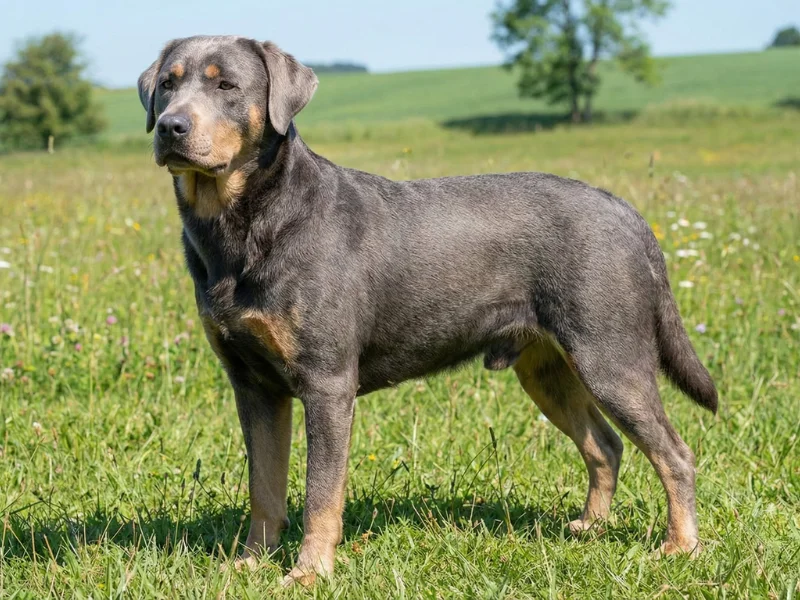
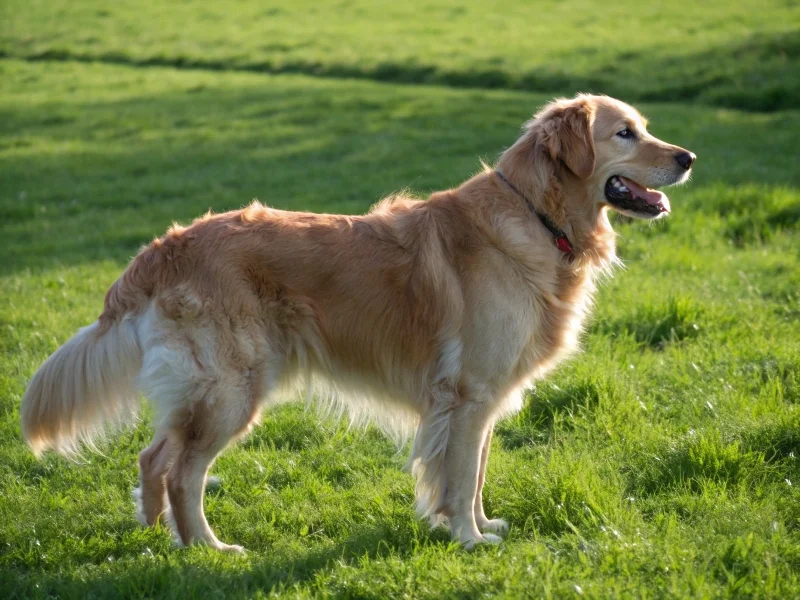
The Goldador was born from a simple idea: bringing together two retrievers with complementary qualities. From the Labrador, it often gets its sturdiness, energy, and short coat. From the Golden Retriever, it inherits gentleness, sensitivity, and sometimes a longer coat.
Guide dog schools were among the first to bet on this cross, looking for calm dogs that are easy to train and closely bonded to people. The result often exceeds expectations: a balanced, sociable, and highly attentive dog.
Most Goldadors are first-generation puppies, born to one Golden parent and one Labrador parent. Their looks can therefore vary within the same litter. The breed is not yet genetically stable, and the major canine organizations do not recognize it.
FBKC, however, officially recognizes the Goldador, unlike traditional organizations, and supports breeders working on its development.
Other Non-FCI Recognised Breeds
Discover other breeds not officially recognised by the FCI